
Sleep for WELLbeing

Updated: Jul 25
World Sleep Day, this years theme is "Sleep well, live better".
A reminder that sleep is a simple way to support and reset our brain and body each day.

Sleep Stages and our Body Clock

Sleep happens in two main stages: non-rapid-eye-movement (NREM) and rapid-eye-movement (REM) sleep. Moving through both stages once is called a sleep cycle, which usually lasts about 90 minutes and repeats several times during the night. REM sleep tends to become longer and deeper toward the morning.
Our bodies follow a natural 24 hour clock, known as the circadian rhythm. This resets each day and is mainly controlled by exposure to light and darkness. Morning sunlight and evening darkness help maintain this natural pattern.
A healthy sleep-wake cycle helps regulate important hormones. Cortisol, the body’s main stress hormone, should be highest in the morning to help us wake up and gradually decrease in the evening to prepare the body for sleep.
When your eyes detect light, they send signals to the brain to inhibit melatonin production, the sleep inducing hormone. When it gets dark in the evening, the body also converts serotonin into melatonin, the hormone that promotes sleep. Melatonin not only helps us fall asleep but also acts as a powerful antioxidant and anti-inflammatory, supporting the immune system and overall health, including the heart.
Understanding how light affects your circadian rhythm can unlock better sleep and overall wellness. Just a few minutes of bright light exposure in the morning can enhance alertness and mood by up to 30%. By harnessing the power of light, you can help regulate your body clock and align your sleep patterns with your natural biology. Modern lifestyles can easily disrupt this natural cycle. Limited daylight, shift work, frequent travel across time zones, and too much blue light at night from phones, TVs, and screens can interfere with healthy sleep patterns.

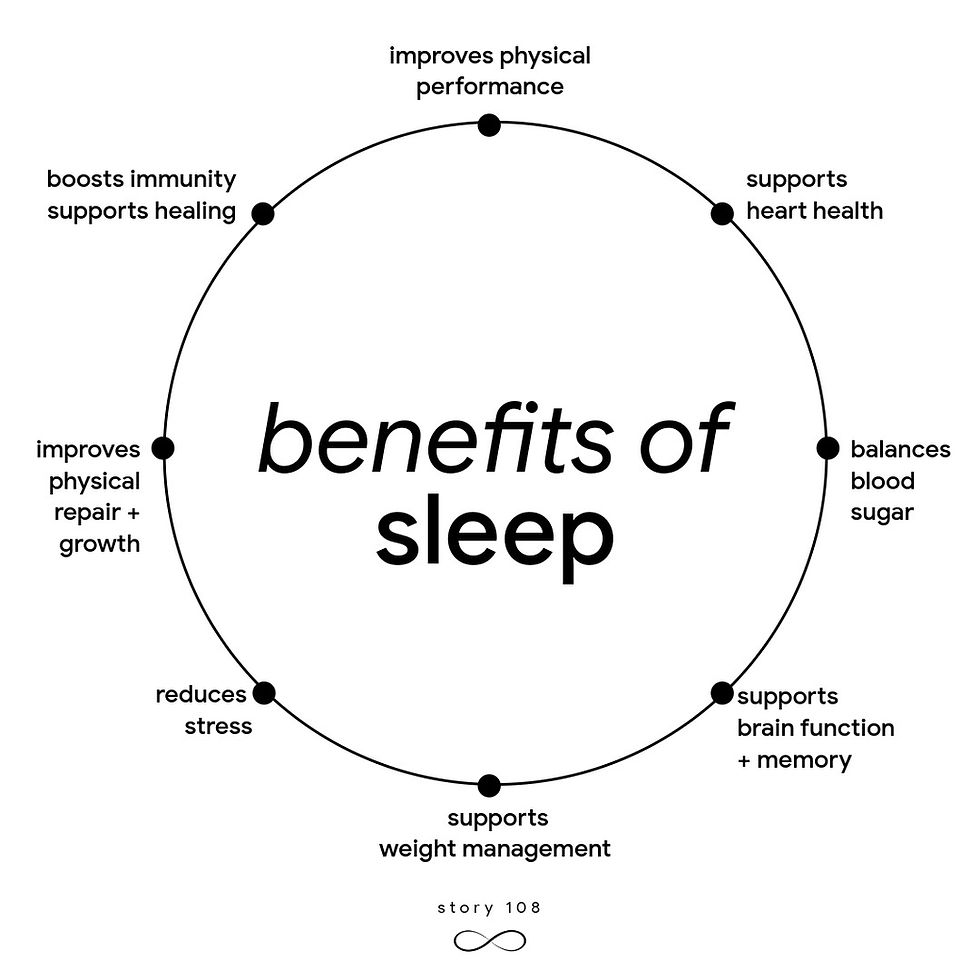
Benefits of Sleep for WELLbeing
1. Improves physical performance
Supports brain function and memory
Supports heart health
Improves physical repair and growth
Boosts immunity and healing
Supports weight management
Reduces stress and improves mood
Balances blood sugar
5 Tips for Better Sleep
Optimise your routine to support good quality rest for a productive day.

1. Leverage Natural Light
To help reset your circadian rhythm, aim for 30 minutes of exposure to natural sunlight in the morning. This simple routine can significantly improve your mood and alertness throughout the day. Studies show that people who spend time outdoors in natural light in the morning report a 40% increase in overall productivity.
2. Create a Sleep Inducing Space
As night approaches, it’s essential to rest in a relaxing calm sanctuary. Lower the lights in your home and opt for warm-toned bulbs, which can help to prepare your body for sleep and restoration. A tranquil clutter free and screen free space promotes good rest, blackout curtains block out external light and enhance your ability to wind down naturally. Studies have shown sleep in a totally dark space can improve sleep quality by as much as 25%.
3. Limit Blue Light Exposure
With screens now part of our daily lives, managing blue light exposure is crucial. Research reveals that blue light can delay the release of melatonin by up to 3 hours, which can disrupt your sleep cycle. To minimize this effect, turn off devices like smartphones and computers at least an hour before bed. Consider using blue light-blocking glasses or apps designed to filter out blue light in the evening.
4. Mindful activities
Breath can positively impact the circadian rhythm by influencing the body's natural sleep-wake cycle supporting our parasympathetic nervous 'rest and digest' system.
Align your movement practice to the time of day. Morning practices such as Ashtanga and Vinyasa with Sun Salutations energise our body, Afternoon grounding postures such as folds and twists help us rebalance and clear some mental fog. Evenings are time for restorative or yin. Breathwork stills and calms our busy minds. Regular practice free from distractions can help to regulate the release of melatonin, a hormone that promotes sleep, and reduce cortisol the stress hormone that can interfere with sleep. Meditation and journalling can declutter our minds and practice gratitude to make space and find balance.
5. Consistency is Key
Maintaining a regular sleep schedule is paramount for reinforcing your circadian rhythm. Set a consistent bedtime and wake-up time, even on weekends. This practice signals your body about when to prepare for sleep and when to be alert, enhancing both your health and productivity. A nap snack could affect your sleep quality later in the day. Studies suggest that sticking to a routine can improve sleep quality by around 15%.


Comments